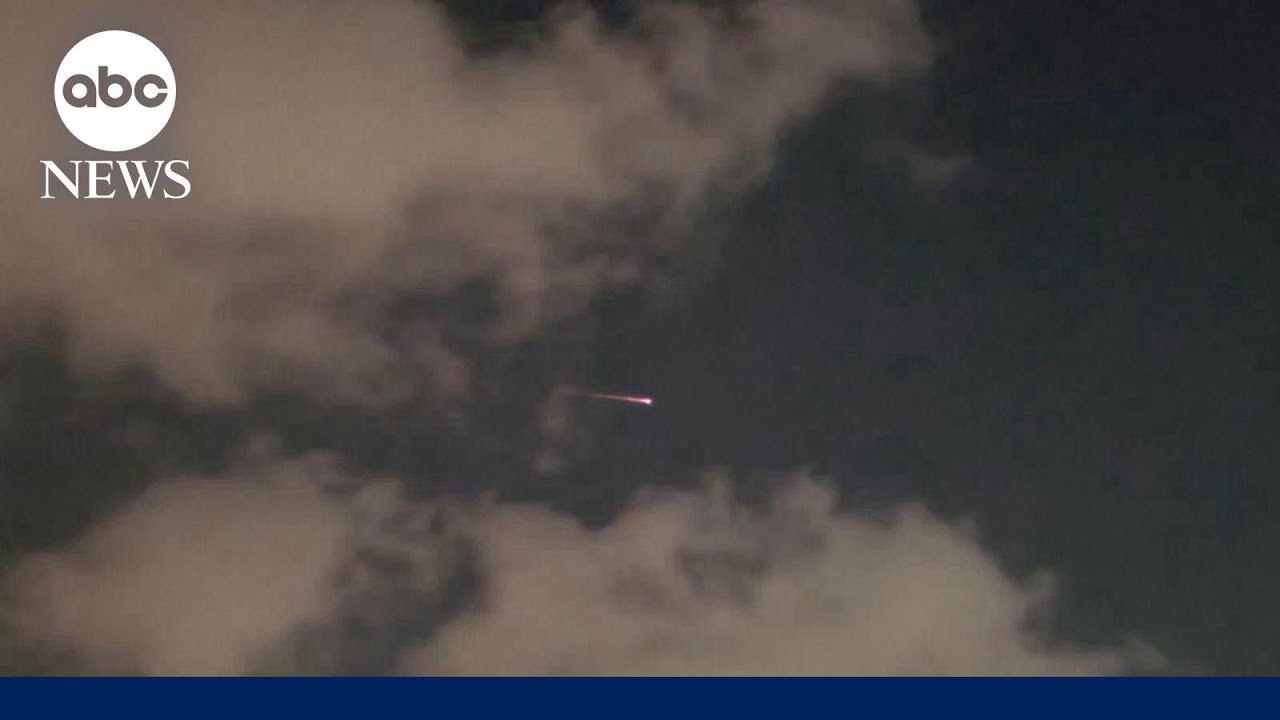
In a dramatic escalation of regional hostilities, Iran launched a series of missiles targeting Israel, marking the first such attack since a ceasefire between the two nations was established in April. This missile strike comes in response to recent Israeli offensives against Hezbollah installations in Lebanon, intensifying the fragile situation in the Middle East.
The Iranian Revolutionary Guard issued a stern warning to Israel, urging it to cease its military operations in Lebanon. "Israel must understand that their actions in Lebanon will not go unanswered," said General Amir Ali Hajizadeh, a senior commander within Iran's military hierarchy.
This development underscores the growing pattern of retaliation and hostile exchanges that threaten to unravel months of diplomatic efforts aimed at stabilizing the region. The stakes are high, as renewed conflict could have significant consequences for Israel and Iran, and potentially disrupt energy supplies and global markets.
Israeli officials, responding with a mix of caution and preparedness, have implemented precautionary security measures to protect civilians. The Israeli Defense Forces (IDF) have heightened their alert status, advising civilians to remain vigilant.
Tania Krämer, a correspondent reporting from Jerusalem for DW News, highlighted the tense atmosphere in the city. "There is a perceptible sense of unease here," Krämer noted. "People are concerned about the possibility of further escalation and what it might mean for daily life in Jerusalem and beyond."
This confrontation is the latest episode in a long history of conflict involving Israel, Iran, and proxy groups such as Hezbollah. Historical parallels can be drawn from similar spikes in hostilities, such as the 2006 Lebanon War, which saw significant loss of life and regional instability. Similar tensions followed the U.S. targeted killing of Iranian General Qasem Soleimani in 2019.
Aaron David Miller, a Senior Fellow at the Carnegie Endowment for International Peace, remarked that "these tit-for-tat retaliations rarely benefit either side," suggesting that diplomatic channels must be prioritized to prevent further escalation.
The international community is watching closely for shifts in policy or unexpected developments that could influence the current trajectory. Monitoring responses from various regional stakeholders will be crucial in understanding the broader implications of these hostilities.
In the meantime, Israel has announced specific precautions for its citizens, prompting businesses and schools to adjust their operations. As both nations brace themselves for what might come next, diplomatic efforts remain crucial to de-escalating this volatile situation.
Reporting based on DW News.